You want to try golf, but going to the driving range alone for the first time feels intimidating. What do you say at the front desk? Can you rent clubs? Will a beginner practicing alone stick out? Plenty of would-be golfers stall right here — not from lack of interest, but from not knowing how any of it works.
Here's the reassuring truth: driving ranges are full of people practicing alone. Most visitors are there to quietly grind on their own game, and almost nobody stands around studying other people's swings. A solo beginner debut is completely, utterly normal.
This article walks you through your first solo range trip in order — from what to bring, through check-in, to leaving your bay. By the end, you'll know exactly what to do on the day.
The short version: you only need three things. Wear comfortable clothes. Tell the front desk it's your first time. And follow the basic safety etiquette — stay out of other people's bays and never swing a club where someone could be hit. Most facilities rent clubs and gloves, so you can start nearly empty-handed.
Before You Go: What to Bring and Wear
The list of things you actually need for a first visit is surprisingly short.
For clothing, anything you can move in is fine — ordinary casual wear works. Jeans rarely raise an eyebrow at a range, but since you'll be rotating your shoulders and hips a lot, stretchy pants and a T-shirt are more comfortable. Sneakers are plenty; skip the heels and sandals.
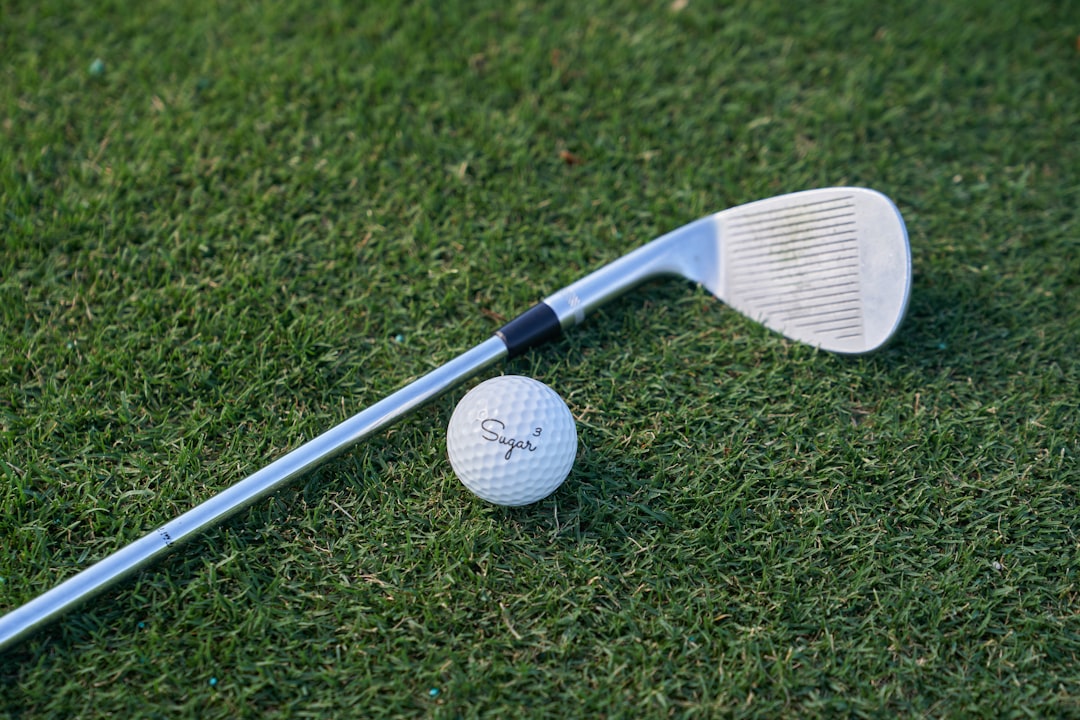
Clubs can be rented at most ranges. Just check the facility's website beforehand to confirm rentals are available. A single 7-iron — a middle-length club — is all you need for a productive first session.
The one nice-to-have is a golf glove. Hitting dozens of balls bare-handed can chew up your palm. Many ranges sell gloves on site, so you can pick one up when you arrive. Balls are dispensed from a machine at the bay — no need to bring your own.
Bottom line, the minimum kit is: comfortable clothes, sneakers, and a drink. That's your solo debut fully prepped.
On the Day: From Check-In to the Hitting Bay
The part that trips up first-timers is check-in. Here's the flow.
At the Front Desk
Walk up to the front desk and say, "It's my first time." Staff will walk you through how everything works. Most ranges use either a member/prepaid card system or simple pay-per-bay-plus-balls pricing. Systems vary by facility, so just follow their lead. This is also the moment to ask for a rental club.
At Your Bay
Head to your assigned bay number. Typically, you swipe your card (or insert coins) into the machine at the bay, and balls come out. If the machine confuses you, ask a staff member without hesitation — it's one of the most common questions they get, and nobody will mind.
Before Your First Swing
Don't jump straight into full swings. Start with light stretching and a few practice swings — loosening your shoulders, hips, and wrists goes a long way toward preventing injury. Begin with small, partial swings focused on making contact, and you'll also sidestep the awkwardness of whiffing your first five balls.

Photo by Daniel Stenholm on Unsplash
The Essential Etiquette and Safety Rules
Range etiquette isn't complicated. At its core, it's all about safety.
First: never walk around outside your bay while holding a club. Practice swings happen inside your own bay only, after checking that nobody is nearby. A club striking a person is the one accident that must never happen.
Second: stay out of other people's bays. If your ball rolls into the neighboring bay, don't wander in after it — wait for a break in their swings and say something, or let the staff handle it.
When walking behind the bays, give swinging golfers a wide berth. It's also good form to avoid loud phone calls and to not camp in a bay for long breaks when others are waiting.
Here's the flip side: follow these rules, and you've earned the right to stand tall. An imperfect outfit isn't a violation. A whiff isn't a violation. The range is a place you go specifically to fail.
Feeling Self-Conscious About Being Alone? Here's the Reality
The biggest wall for a solo debut may not be technique at all — it's the feeling of being watched.
In reality, range regulars are locked into their own practice and barely register anyone else's shots. Think about it: you don't remember the ball flight of the person next to you either. While the feeling lingers, lower the psychological bar with simple tricks: pick an end bay, or go during quieter windows like weekday afternoons or right at opening.
A beginner showing up at a range is a road every single golfer has walked. There is nothing to be ashamed of in hitting bad shots. In fact, solo practice has a real advantage: you repeat things at exactly your own pace. Once you've settled in, use our beginner driving range practice guide to move into purposeful sessions — it accelerates your progress.
And once practice becomes a habit, the next milestone is your first round on a real course. Reading up early on how a first round works will also sharpen the direction of your practice. Game day brings its own special first-round nerves, but every ball you've hit at the range will be there to back you up.

Photo by Ben Hershey on Unsplash
Frequently Asked Questions
Is it really okay if I don't own a single club?
Yes — most ranges offer rental clubs, so you can start nearly empty-handed. To be safe, check the facility's website to confirm rentals are available. One mid-length club like a 7-iron covers all the basics for your first sessions.
How many balls should I hit?
For a first visit, aim for around 50-100 balls and stop before you're worn out. Hitting a large volume with unfamiliar movements is a quick way to hurt your hands or back. Value "did I hit every ball with care?" over the ball count. Shorter, regular visits beat marathon sessions for improvement anyway.
Is it comfortable for a woman to go alone?
Women practicing alone are a common sight. If you'd feel more at ease, go during daylight hours, or choose an indoor facility or one with women-oriented plans. The process is the same everywhere — tell the front desk it's your first time and they'll take care of you — so with the right facility choice, there's nothing to worry about.
Do I need a reservation?
Most outdoor ranges are first-come, first-served with no reservation needed. Indoor and simulator facilities, however, sometimes run on bookings. Weekend evenings can mean a wait, so for your first visit, aim for a quiet time slot and you'll be able to practice in peace.
Key Takeaways
- Solo visitors are the majority at driving ranges — a beginner's solo debut is completely normal
- Comfortable clothes, sneakers, and a drink are all you need; most facilities rent clubs
- Say "it's my first time" at the front desk and staff will guide you; when in doubt, just ask
- Etiquette is about safety: practice swings inside your bay only, and stay out of others' bays
- Nobody is watching you; quiet time slots and end bays lower the psychological bar further
It's also fun to find out what kind of golfer you're likely to become, right at the start of your journey. Check which improvement style fits your personality with the Golf Profiler quiz (free, about 5 minutes).