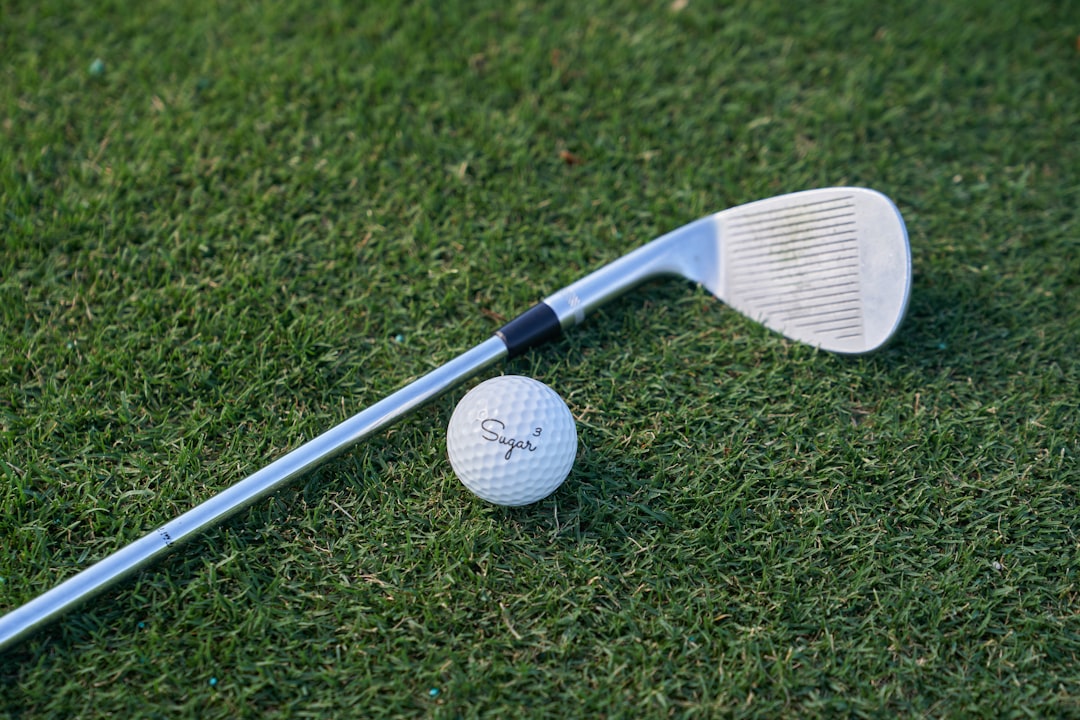
As your first round of golf approaches, is the anxiety starting to outweigh the excitement? "What if I whiff it completely?" "I don't want to hold everyone up." "I don't know the etiquette and I'll embarrass myself." For many new golfers, the nerves before a first round feel like nothing they experienced at their range debut.
Take a breath — you're fine. Everyone gets nervous before their first round, and every experienced golfer joining you walked this same road. Better yet, most first-round nerves come from one source — not knowing what's going to happen — which means preparation can shrink them dramatically.
This article splits first-round nerves into "anxiety you can prepare away" and "tension that's fine to keep," then walks through what to do before the day and how to think on the day itself.
The Bottom Line: Most of the Nerves Come from Not Knowing
Here's the conclusion first. First-round nerves come in two broad kinds.
- Anxiety about the unknown: the day's flow, the etiquette, what to bring — worry about things you simply don't know yet. Information and preparation can eliminate almost all of it
- Tension about hitting well: the flutter of swinging in front of people. This one never fully leaves even experienced golfers, and it doesn't need to reach zero
So the plan is simple: grind type 1 down to almost nothing before the day, and prepare to accept type 2 as a normal part of golf. Let's take them in order.
3 Reasons a First Round Makes You Nervous
Start by sorting out where your own nerves are coming from.
First: you don't know how the day works. How does check-in go? How do you use the cart? How do you move between holes? The more unknown scenes there are, the longer the "things I don't know" list in your head grows — and the more anxious you feel. Just reading through our guide to the flow and etiquette of a first round shortens that list considerably.
Second: you're worried about burdening your playing partners. "What if I'm the one slowing everyone down?" The more conscientious you are, the heavier this weighs.
Third: you're anxious about your score. But a first round isn't a day for competing on score — it's a day for getting used to the environment of a golf course. As our article on beginner scores explains, there is zero need to chase a good number your first time out.

Photo by Lucas Alexander on Unsplash
Nerve-Busting Preparation Before the Day
The anxiety of the unknown gets eliminated in advance, item by item.
At the Range, Focus on the Clubs You'll Actually Use
Trying to perfect every club in a last-minute practice session only breeds more anxiety. On the day, you'll mostly use your tee-shot club, your 7- through 9-irons, a wedge, and the putter. Your goal is the feeling that "with these three or four clubs, I can keep moving forward." What matters isn't hitting it well — it's stacking up reps of "even if I miss, I just hit the next one."
Check Your Gear and the Day's Flow the Night Before
Clothing that meets the course's dress code (collared shirt and so on), plenty of balls, tees, glove, ball marker, sun protection. Finish packing the night before, and the morning stays calm. Plan to arrive an hour before your tee time — the breathing room for changing and warming up changes the entire character of your nerves.
Tell Your Playing Partners It's Your First Round
This one is surprisingly powerful. Say in advance, "It's my first round — please show me the ropes," and you free yourself from keeping up appearances all day. Most experienced golfers genuinely enjoy teaching beginners, and having them on your side makes everything easier.
Mindset on the Day: Think Pace, Not Skill
On the day itself, these three things are all you need to remember.
Your playing partners are not counting your misses. It feels like all eyes are on you, but everyone has their hands full with their own game. Almost no one laughs at a beginner's mishits, and they're not worth worrying about.
What gets judged isn't your skill — it's how you move. No need to sprint anywhere, but if you can walk to your ball while getting ready for your next shot, and carry two or three clubs with you, you'll be welcomed as "a beginner who gets it" no matter what you shoot.
Don't count your misses. Declare your first round a day for savoring firsts — the scenery of the course, the feeling of hitting off real grass, riding in the cart. Going home remembering only your handful of good shots is exactly the right amount.

Photo by Sugar Golf on Unsplash
Frequently Asked Questions
What score should I aim for in my first round?
We recommend not making score a goal at all. Rather than getting consumed by counting, aim for something more realistic and more satisfying: finishing every hole. For a fuller take on scoring, see our article on beginner scores.
Should I get a few range sessions in first?
The higher your odds of moving the ball forward, the easier the day feels — so a few visits beforehand are reassuring. But don't chase perfection. If you can "move it forward reasonably well with your go-to clubs," you're plenty prepared for a first round.
I'm so nervous I don't think I'll sleep the night before. What should I do?
Nerves that strong are also proof of how much you're looking forward to it. Finish your packing the night before and mentally walk through the day once — cutting the "I don't know" anxiety settles the mind. And even slightly sleep-deprived, you'll get through a first round just fine, so don't add the sleeplessness itself to your worry list.
Anything specific for women playing their first round?
The core preparation is the same, but if stamina is a concern, use the cart freely — no need to tough it out. Perceptions of score and distance differ between men and women too, so our article on scores for women beginners should be a helpful companion.
Summary
- Most first-round nerves are anxiety about the unknown — and preparation can shrink them
- Before the day: preview the flow, pack your gear, and practice your go-to clubs
- Tell your partners it's your first round, and turn them into allies
- On the day, think pace over skill, and don't count your misses
How easily you get nervous, and how much watching eyes affect you, comes down to personality. Take the Golf Profiler quiz (free, about 5 minutes) before your first round to learn your type — you'll have previewed your own reactions before they happen, and you'll step onto that first tee much calmer.