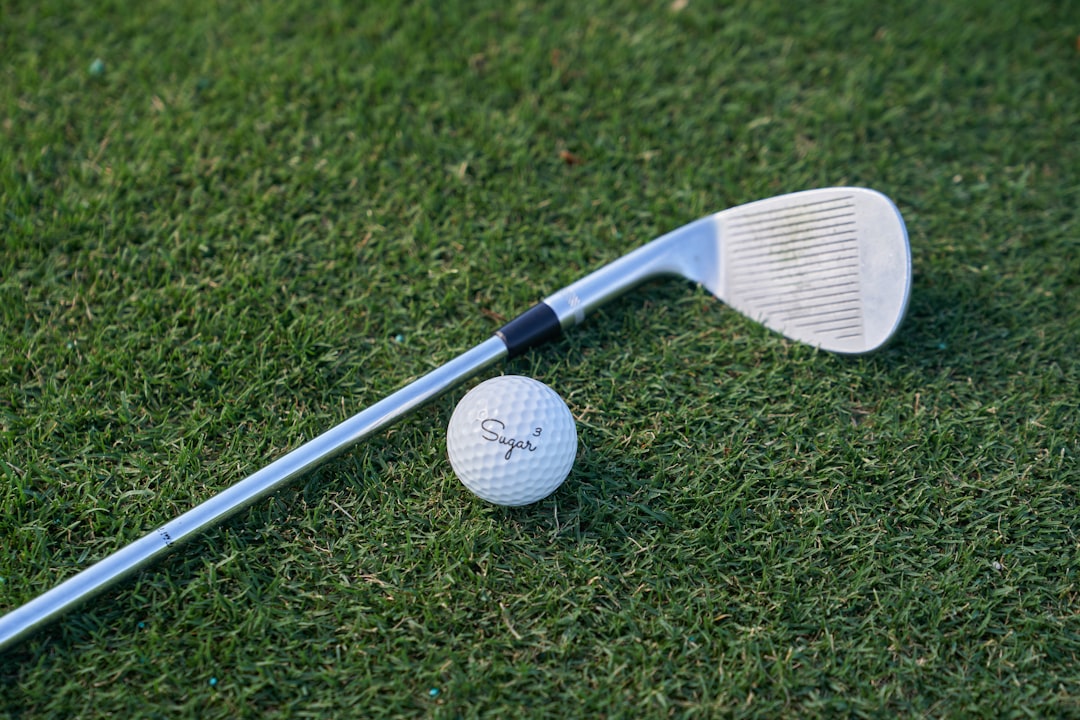
Once your first round of golf is on the calendar, the anxiety rolls in right alongside the excitement. What do I bring? What's the dress code? Where do I go and what do I do when I get there? Will I hold everyone up? Even if you've been putting in time at the driving range, the course is a completely different world — it's natural to feel lost.
Here's the reassuring part up front: most first-round anxiety comes from simply not knowing the flow of the day. Which means that if you walk through the day once in your head beforehand, the only thing left to worry about is your score. And on your first round, your score genuinely doesn't matter.
This article walks you through it all in order: what to prepare by the day before, what happens from arrival to your tee time, and the minimum etiquette to keep in mind while you play.
What to prepare by the day before
Start with your gear and your outfit. Golf courses have customs both for what you wear to the clubhouse and what you wear on the course, so this is the one thing worth confirming in advance.
The essentials to bring:
- Golf clubs (in your golf bag)
- Golf shoes
- A glove
- Balls (bring extra for your first round — a dozen is a comfortable cushion)
- Tees and a ball marker
- A change of clothes and a towel
- A hat or visor, plus rain gear or layers depending on the season
Why the extra balls? Because on a first round, shots out of bounds (OB), balls in the water, and lost balls are completely normal. Plan on losing some, and you won't panic every time a shot goes sideways.
For clothing, the standard formula is a collared shirt with slacks or golf pants. Jeans, T-shirts, and sandals are prohibited at many courses. Some clubs also expect a jacket when entering and leaving the clubhouse, so check the dress code on your course's official website. When in doubt, the surest move is asking your playing partners, "What are you wearing on the day?"
One more thing worth doing before game day: a range session focused on wedges and putting. Most of a first-round score is spent around the green. Getting a feel for rolling the ball up to the hole from short range will help you far more on the day than pounding drivers.
Game day: from arrival to your tee time
Plan to arrive at the course an hour before your tee time. For a first round, an extra cushion — an hour and fifteen minutes — is even better. Here's how it goes after you arrive:
- Drop your golf bag at the bag drop. Hand your bag to the staff at the entrance, and they'll have it loaded onto your cart
- Check in at the front desk. Give your name and pick up your slip and scorecard holder. Valuables go in a locker or the valuables box
- Change in the locker room. Get into your playing clothes and switch into your golf shoes
- Warm up. Check the speed of the practice green with a few putts. If the course has a range, loosening up with a few swings will settle your nerves
- Be near the first tee 10 minutes before your time. Confirm your bag is on the cart, stuff a ball, tees, and your glove into your pockets, and stand by
The part of a first round that trips people up most isn't the golf — it's navigating the clubhouse: check-in, lockers, where to go next. If you're unsure, just tell a staff member, "It's my first time." They'll walk you through it. There's nothing embarrassing about it, so lean on them freely.

Photo by Lucas Alexander on Unsplash
The minimum etiquette to keep in mind on the course
What your playing partners care about isn't your score — it's whether the round is pleasant for everyone. Skill matters far less than these habits:
Make pace of play your top priority. Concretely: grab two or three clubs and head to your ball before it's your turn, hustle to the next shot after a miss, and read your line on the green while others are putting. It's not the number of your misses that burdens the group — it's the dawdling.
Stay quiet and still while others hit. Once someone is over the ball, stop talking and avoid moving anywhere in their field of vision.
Stay safety-conscious. Never hit while the group ahead is within reach, and never walk ahead of a playing partner who hasn't hit. If your ball sails toward an adjacent hole, shout "Fore!" loudly.
Clean up after yourself on greens and in bunkers. Rake your footprints and the mark your shot left in the bunker, and on the green, avoid stepping on other players' lines (the path between their ball and the cup).
Not confident about counting your strokes? That's fine. On a first round, just ask a playing partner, "Can you check my count?" For a realistic sense of beginner scoring, see what score a beginner golfer can realistically expect. Shooting 120 or 130 is completely normal for a first round.
The right mindset for enjoying your first round
Finally, a word about attitude. Your first round will be a day of surprises compared to the range: sloping lies, the ball sitting on real grass, distances you can't reach, and the nerves of hitting while people watch. Not playing like you practice is exactly what's supposed to happen.
Our recommendation: bring goals that have nothing to do with score. "Take one practice swing before every shot." "Hustle between shots." "Cheer your partners' good shots." Action goals you can verify yourself leave you with a sense of accomplishment even if the misses pile up.
Another useful idea when a hole starts unraveling: take a hole off. Skip the full swings and just advance the ball up the fairway with a 7-iron. It resets your head. And if the course has a local pick-up rule (maximum score per hole), use it without hesitation.
If you're unsure whether you've practiced enough, see how many months of practice before your first round. Rather than waiting for the day your preparation feels perfect, getting on the course early with the basics covered changes the quality of all your practice afterward — because the weaknesses you discover on the course become your next practice plan.

Photo by Stockholm Paris Studio on Unsplash
Frequently asked questions
How much should I practice before my first round?
There's no official threshold, but as a rule of thumb: if you can move the ball forward with a 7-iron and you know the motion of bumping a wedge shot up toward the hole, you'll have a great time on a casual round with supportive partners. Don't wait for perfect. Experiencing the course clarifies what to practice, so an early first round is actually a shortcut to improvement.
What's a normal score for a first round?
First rounds in the 120s to 140s are common, and plenty of golfers lose count entirely. The range and the course are different sports, so don't let the number get you down. For scoring guidelines and perspective for women taking up the game, see score expectations for beginner women golfers. Treat your first round as a day for learning the flow and the etiquette — nothing more.
Any tips for women or golfers worried about stamina?
A round adds up to more than half a day of physical activity once you include all the walking. Keep drinks and light snacks (chocolate works well) in the cart, protect yourself from sun, heat, and cold, and don't burn all your energy on the front nine. Courses have multiple tee boxes — playing from the forward tees that fit your game keeps the day comfortable. Don't be shy about discussing it with your playing partners.
Rain is in the forecast. Should I cancel my first round?
Light rain is generally played through — rain gear, towels, and a spare glove will see you through. That said, a first round already comes with a lot to absorb, and rain adds to the load. Talk it over with your playing partners and make a sensible call. Cancellation policies vary by course, so it's worth checking when you book.
Key takeaways
- Most first-round anxiety comes from not knowing the flow. Learn the day's sequence and it shrinks dramatically
- Before game day, confirm the dress code and practice with your wedges and putter
- Arrive an hour early: check in, change, roll some putts, and be at the tee 10 minutes before your time
- The heart of etiquette is pace of play. Not dawdling matters more than your score
- Bring action goals unrelated to score, and treat the day as practice in getting comfortable
Do you get nervous easily? Do you dwell on mistakes? Knowing your own tendencies changes how you approach your first round. Check your type in advance with the Golf Profiler type quiz (free, about 5 minutes).