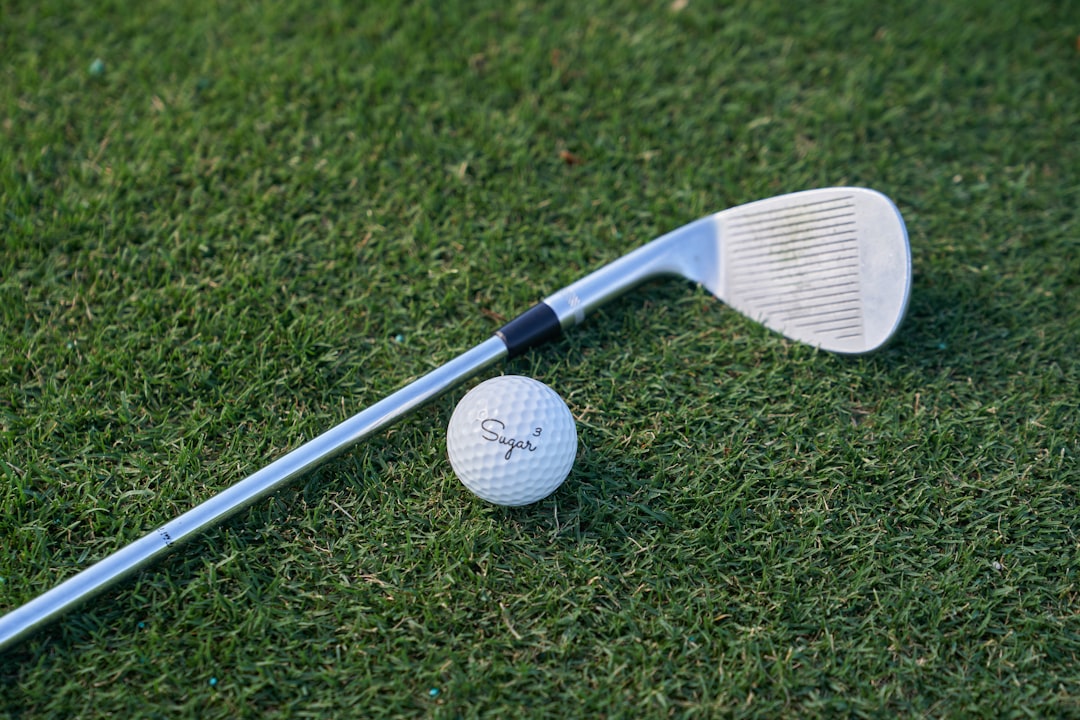
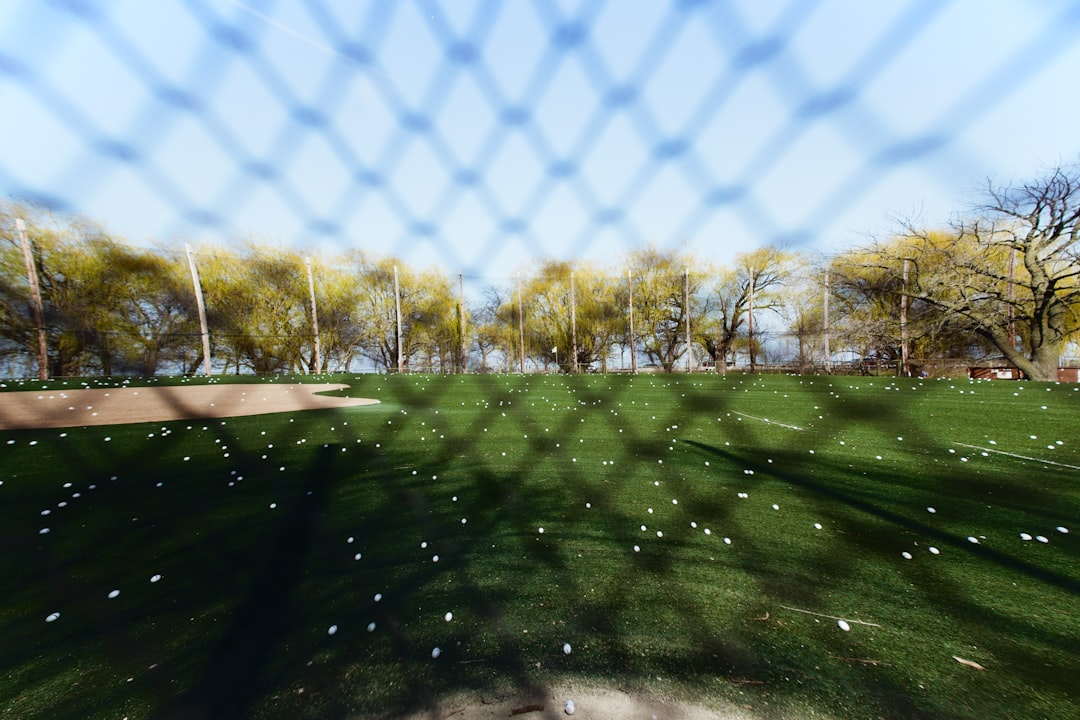
"I want to go to the driving range, but I'm embarrassed for anyone to see my terrible swing." "What if I whiff it and people laugh?" — and suddenly you're frozen at the entrance. For brand-new golfers, a driving range debut takes more courage than anyone admits.
Everyone else looks like they know what they're doing, and you're not even sure how the bays work or where the balls come from. Better to wait until I'm a little less awful... sound familiar? That's how practice gets postponed indefinitely.
In this article, we'll unpack the psychology behind range embarrassment, reframe the feeling of being watched, and share concrete tricks you can use today. By the end, you should be thinking, "Huh — the bar is lower than I thought."
The Truth: Almost Nobody Is Watching a Beginner's Swing
Let's start with the conclusion. The vast majority of people at a driving range are absorbed in their own practice. Their swing fixes, their ball flight, which club to hit next — they have too much on their minds to sit and study anyone else's bay.
Psychology has a name for this: the spotlight effect. People consistently overestimate how much attention others are paying to them. That "everyone's watching me" feeling at the range is largely explained by this bias. In other words, most of the embarrassment comes not from actual eyes on you, but from imagined ones.
There's one more important premise. The driving range is, by definition, the place you go to practice what you can't do yet. Whiffs and topped shots are part of the everyday scenery there — and every experienced player once produced plenty of both.
The 3 Psychological Roots of Range Embarrassment
You Overestimate How Much You're Being Watched
As covered above, we all inflate our own visibility. In an unfamiliar place, nerves amplify it further, and you can slip into feeling like the whole building is staring at you. In reality, the golfer in the next bay is far more preoccupied with their own slice than with your whiff.
You Compare Yourself to the Good Players
Ranges are full of experienced golfers, which makes it easy for a beginner to feel like the only bad one there. But that's the wrong comparison. Every one of those players started exactly where you are — and the only opponent worth measuring against is yesterday's you.
You Don't Know the Etiquette or the Process
"How does check-in work?" "What am I not allowed to do in the bay?" Anxiety about the unknown is a huge part of the embarrassment — and it's an information problem, not a psychological one. Simply learning the flow in advance removes most of it.
Weekday afternoons and later evenings usually mean open bays and no neighbors to worry about. Save the packed weekend rush hour for after you've settled in.
Pick an End Bay
If you can choose your bay at check-in, take one on the end, or an upper deck. Eliminating the sightline from one whole side makes a surprising psychological difference.
Start With Short Clubs Only
Going straight to full-swing driver means bigger misses and bigger embarrassment. Start with a 7- or 9-iron and one simple mission: make contact. The misses stay small, and progress shows up faster.
Give Each Session Exactly One Goal
"Today I just make contact." "Today I ignore direction and swing with rhythm." Narrowing the goal dials down your obsession with results — and with whoever might be watching.
Range embarrassment doesn't last. After a few visits, once the rhythm of the place feels familiar, the "being watched" sensation fades — replaced by a much better obsession: "how do I make solid contact?" Think of it as focus slowly stealing embarrassment's seat.
Almost certainly not. Whiffs and topped shots are misses every experienced golfer has made. The range exists precisely for making mistakes, and everyone around you is buried in their own practice. Even if someone does notice, the most likely reaction is a nostalgic "that was me once."
What should I wear and bring?
Most ranges have no dress code — comfortable clothes and sneakers are plenty. Many offer rental clubs too, so check the facility's website to see whether you can show up empty-handed. The one item worth buying is your own glove; it saves your hands from blisters.
I'm nervous because I don't know how check-in and the bays work
The typical flow is: check in and get assigned a bay → dispense balls at the bay → hit → pay on the way out. But systems vary by facility, so if it's your first time, the fastest and most reliable move is simply telling the front desk, "It's my first time." Staff walk newcomers through it constantly — there's nothing to be embarrassed about.
How many range sessions before my first round on a course?
Rather than counting sessions, a more practical benchmark is whether the ball is going forward more often than not. Keep in mind your first round comes with its own, different brand of nerves — reading how to handle first-round jitters in advance will take some of the edge off the big day.
Key Takeaways
Most of the "eyes" you feel at the range are imagined, not real
Everyone else is focused on their own practice and barely registers a beginner's misses
Quiet time slots, end bays, and short clubs all lower the bar for getting started
One goal per session keeps you from fixating on results — or on the audience
With familiarity, embarrassment gets replaced by focus on your practice
How prone you are to embarrassment and nerves is partly a matter of personality. Discover your type with the Golf Profiler quiz (free, about 5 minutes) — it makes finding a practice approach that suits you a lot easier.