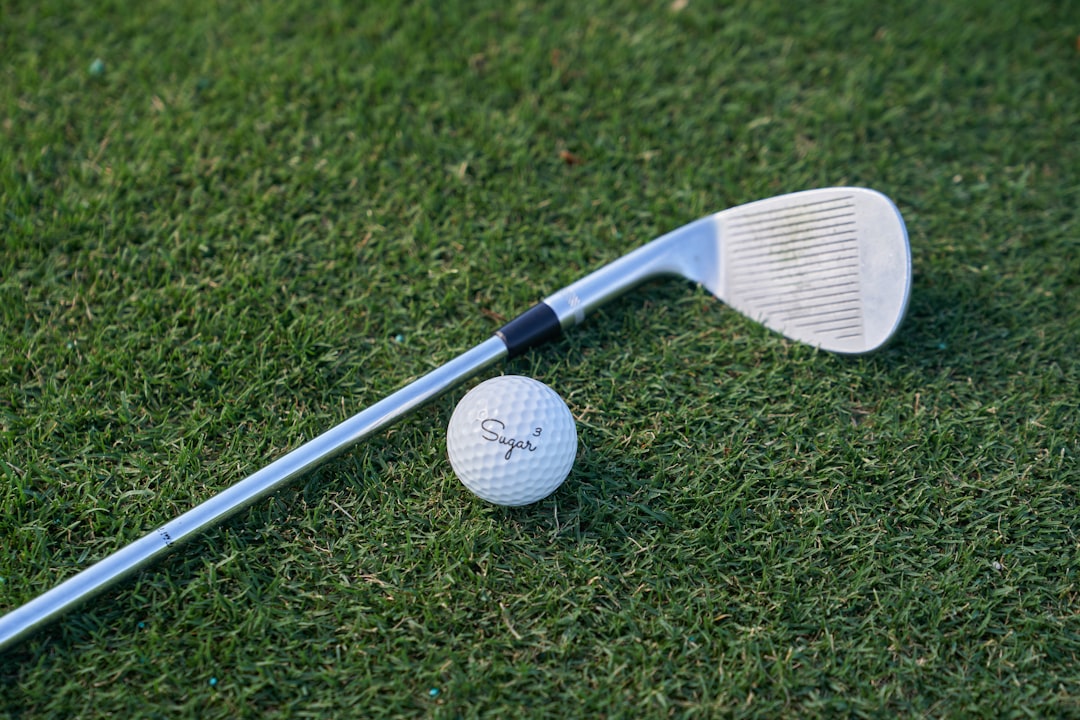
"I'd love to try golf, but it seems expensive, and I can't bring myself to take the plunge." A full set of clubs, apparel, range fees, green fees — the list of expenses is long even before you start counting, and it's genuinely hard to guess what starting golf costs in total. We hear this all the time.
Here's the conclusion up front: simply deciding not to buy everything at the start dramatically lowers the barrier to entry. Many driving ranges rent clubs, so you can try the game nearly empty-handed. Building out your equipment gradually — after your skills and preferences take shape — actually wastes less money in the end.
This article covers the cost categories involved in getting started, how to think about each, and concrete ways to keep the initial outlay down. Note that any figures mentioned are rough general guidance only and vary widely by region, shop, and season. Always check actual prices with your local shops and facilities.
The Big Picture of Startup Costs
The costs are easiest to organize in four buckets.
Equipment: a club set, balls, a glove, tees, and so on
Apparel and shoes: comfortable athletic clothes are usually fine for practice; this becomes necessary at your course debut
Practice fees: driving range costs, typically a per-ball charge plus a bay fee
Green fees: the cost of playing a course, with a large gap between weekdays and weekends or holidays
Of these, the only expense that's truly unavoidable right at the start is practice fees. Choose a range that rents clubs, and the equipment purchase can wait. Hit balls a few times first, and invest in gear once you're sure you want to continue — that order of operations is the one with the fewest regrets.
Category by Category: Guidance and How to Think About It
As rough guidance, here's how to approach each bucket.
Club sets span an enormous price range, from beginner boxed sets to individual brand-name clubs. Plenty of experienced golfers will tell you a "half set" — a pared-down configuration with fewer clubs — or a used set is all a beginner needs. Options start in the low hundreds of dollars, while the ceiling, if you chase it, doesn't exist. For your first set, what matters more than price is going to a shop and confirming the clubs feel easy to swing.
Apparel and shoes: at most ranges, comfortable everyday clothes are perfectly fine. Your course debut will require meeting the course's dress code — a collared shirt and so on — but much of that can come from your existing wardrobe, and a full golf-specific outfit is by no means mandatory. Shoes and a glove touch on safety and injury prevention, so those deserve priority.
Practice fees vary by facility: some charge per ball, others offer all-you-can-hit plans, and many change rates by time of day. Look up the fee table of the range you'd actually go to, and monthly budgeting gets much easier.
Green fees swing widely by weekday versus weekend, region, and season. For a first round, many golfers target the cheaper slots — weekdays or twilight hours.
5 Ways to Keep the Initial Outlay Down
The same "getting started" can cost wildly different amounts depending on how you go about it.
Try rental clubs before buying. Hit balls a few times, confirm you want to keep going, then buy — and you'll never pay for gear that ends up in a closet
Buy used clubs. As a beginner you can practice without worrying about scuffs, and upgrading later feels much less painful
Ask around for hand-me-downs. The friend or colleague pushing you to take up golf very likely has a set they no longer use
Start with a half set. Fewer clubs means lower cost — and less time agonizing over club choice, more time practicing
Mix golf wear with your existing wardrobe. A full dedicated outfit can wait until you're committed and enjoying it more
One more thing: many first-timers find the driving range intimidating — "I don't know the etiquette and I'll embarrass myself." If that's you, read how to think about first-range-visit embarrassment beforehand and you'll walk in lighter.
The Question That Matters More Than Cost: Will You Keep Playing?
There's a perspective that often gets missed when weighing startup costs: in golf, the cost of continuing tends to outgrow the cost of starting. Practice fees and green fees keep coming for as long as you play.
That's why the first decision criterion shouldn't be "assemble it all cheaply" but "start in a way that makes you want to continue." For some people, that means resisting the expensive set that locks you in, and instead getting comfortable heading to the range alone on a whim. For a walkthrough of that first solo visit, see how to go to the driving range alone for the first time.
What you do at the range also feeds directly into cost-effectiveness. Hitting balls with a purpose beats hitting them blindly — same ball fee, very different return. Use our beginner's driving range practice menu as a guide and make each session count.
Frequently Asked Questions
What's the bare minimum I need to start golf?
If you start at a range with rental clubs, comfortable clothes and a glove are about all you need. The glove also prevents blisters, so getting your own early is worthwhile. Clubs, shoes, and golf wear can come gradually, once you're sure you're sticking with it.
Should my first clubs be brand new?
Not necessarily. As a beginner your swing is still unsettled, and telling good equipment from bad is genuinely difficult at that stage. Starting with used clubs or a half set, then choosing clubs that truly fit you once you've improved, usually ends up the more satisfying purchase.
How much should I budget per month?
It depends so heavily on how often you practice and play that no single number works. The reliable approach: decide your own pace — practice sessions and rounds per month — then look up the fees at your intended range and nearby courses and do the math. Setting a pace in advance is itself a guard against overspending.
Can I skip lessons and teach myself to save money?
Plenty of golfers happily self-teach. On the other hand, learning the basics early makes bad habits less likely to take root and can save you a long detour. A realistic mix: learn from videos, and try a one-off lesson when you hit a wall — combined however suits your personality.
Summary
Organize startup costs into four buckets: equipment, apparel, practice, and rounds
Right at the start, only practice fees are essential — try rental clubs first and buy later
Used clubs, half sets, and hand-me-downs cut the initial outlay dramatically
Treat all figures as guidance, and confirm actual prices with local shops and facilities
Prioritizing "a start that makes you want to continue" over "the cheapest start" is the biggest saving of all
Where your money is best spent also depends on you: are you the type who enjoys grinding at the range, or the type who wants to get out on the course and have fun first? Take the Golf Profiler quiz (free, about 5 minutes) to learn your type and find a way to start that fits.