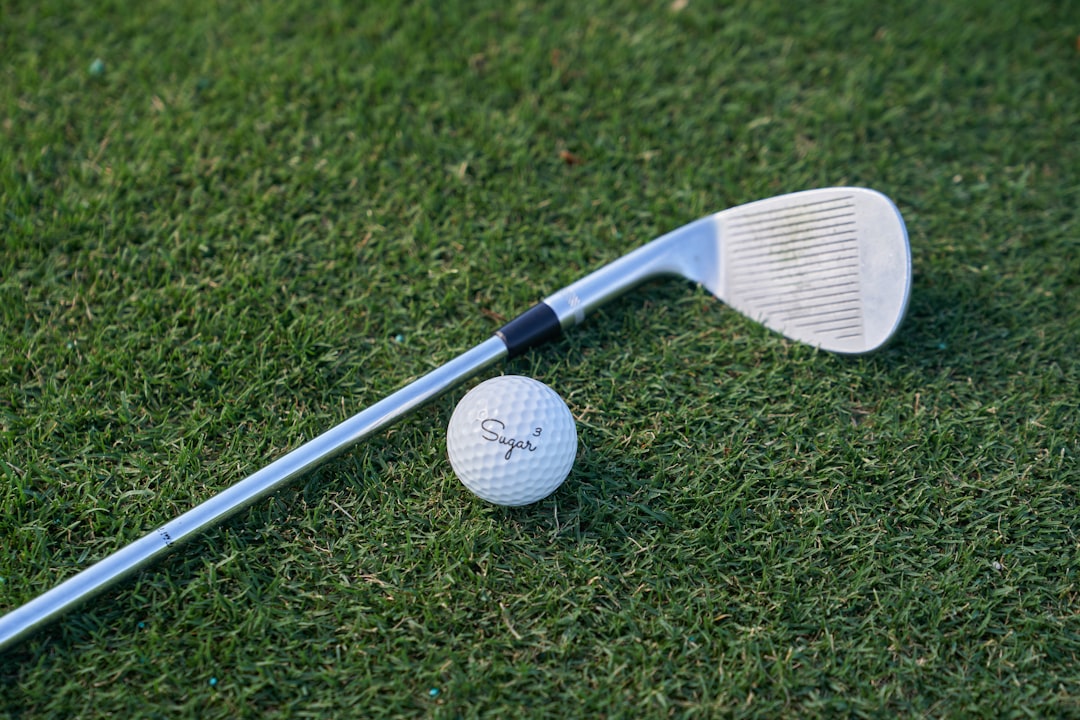
A colleague or friend has invited you, and you're interested — but you wonder whether you can keep up if you start now. Whether your body can handle it. If you're feeling that kind of hesitation about taking up golf in your 50s, you're in good company.
Let's get straight to the answer: starting in your 50s is by no means too late. Golf is a sport you play at your own pace — there's no footrace, no test of explosiveness — so the age handicap is comparatively small. Plenty of people pick it up around retirement and enjoy it for decades. If anything, your 50s often come with more freedom of time and money, making it one of the better seasons of life to begin.
In this article, we'll walk through everything from the first step to structuring your practice, looking after your body, and the road to your course debut.
Why Your 50s Are Not Too Late
First, let's take apart the feeling behind the worry — the sense that it's "too late."
Golf is called a lifetime sport for a reason: courses are full of players in their 60s and 70s. Start in your 50s and you're looking at 20 or 30 years of enjoyment ahead. Not many new pursuits offer a 20-year runway.
Golf scores also aren't decided by distance alone. You can concede raw power to the younger crowd while building accuracy, chipping, putting, and on-course judgment through experience and craft. The planning and organizational skills honed over a working life translate directly into course management — a genuine advantage of starting as an adult.
And then there's the social side. Golf creates connections through the simple act of playing a round together. Beyond work relationships, it's a sport that enriches life from your 50s onward by growing your circle of friends. There's no need to compare your rate of progress with anyone — measuring yourself against your own yesterday is enough.
What to Get First, and the Steps to Begin
There's no need to buy a full set on day one. Here's a sequence that won't overextend you.
Step 1: Visit a driving range. Most ranges rent clubs. Show up nearly empty-handed, hit a few sessions' worth of balls, and find out whether it's fun. That comes first.
Step 2: Consider lessons at the start. Self-taught habits take a long time to undo later. Even just a few months of lessons on the fundamentals makes everything afterward easier. Group lessons have a bonus: you'll meet others who started at the same time.
Step 3: Build your gear gradually. Once you've decided to continue, a beginner half set or used clubs is the realistic entry point. For what to buy first, see our list of what beginners should buy.
Step 4: Once a week is enough. Prioritize a thin, long thread of continuity over cramming. Combine the weekly range visit with practice swings and putting at home, and that one session goes much further.

Photo by Joan Tran on Unsplash
What to Spend That One Session a Week On
For people starting in their 50s, what matters more than gear or fitness is where you spend the practice you have. Your time may be freer now, but the number of balls you can comfortably hit in one session isn't unlimited. Two people can both practise "once a week" and get very different results, simply because the split doesn't suit them.
There is no single correct split. It depends on which kind of golfer you are.
If you like to hit first and understand afterwards, spend your first few sessions simply finding the feeling of solid contact. Hearing a technical explanation before your body has any reference point just adds instructions to follow. For you, a lesson lands better after a few sessions on the range, not before.
If you prefer to understand the framework before you move, the reverse is true. Being handed the basic shape first beats months of self-taught swings you then have to unlearn, and every ball you hit means something because you know what you're checking.
The other fork is whether you play your best on the range or on the course. If you want things polished before you go out, give yourself a longer run-up to your debut and you'll enjoy the day far more. If your focus sharpens under real conditions, waiting for readiness only costs you opportunities — get out early and the path forward becomes visible.
You can sort out which side you lean toward with the 16 golfer types. Knowing your tendency before you start makes choosing a practice routine much easier — see how to pick a practice routine by type for specifics.
Improving While Listening to Your Body
The single most important thing about golf in your 50s is staying injury-free. Pacing yourself and listening to your body will get you there faster than cramming ever will.
- Make warming up a habit. Before practice and before a round, loosen your shoulders, lower back, and hips thoroughly. Your body is stiffest first thing in the morning, so arrive with time to spare
- Don't overhit. Hundreds of balls in one range session is a fast track to sore hands and back. Cap each session at what you can hit with focus, and have the courage to stop when you're tired
- Choose clubs you can swing comfortably. Stiff, heavy clubs tax your body. Matching the shaft to your strength matters both for improvement and for injury prevention
- Rest when something hurts. Pushing through discomfort prolongs it. If pain persists, skip the self-diagnosis and see a doctor
An age-appropriate approach to improvement will keep serving you for years. It's a little way down the road, but our guide to improving from your 60s onward is full of hints for continuing sustainably.
The Road to Your Course Debut, and How to Enjoy It
"How much practice before I can play a real course?" Everyone wants to know.
There's no strict threshold, but as a rule of thumb: once you're making consistent contact at the range and most balls are going forward, you're ready to think about a debut. Don't wait for perfection. So much of golf can only be learned on the course that going early actually sharpens the purpose of your practice afterward.
For the first round, having experienced players along makes everything easier. Don't try to memorize every rule and custom in advance — just cover the basics: don't hit into the group ahead, keep up the pace of play, and don't walk on other players' putting lines on the green. Your companions will teach you the rest as you go. For what to bring, see our round-day packing checklist.
As for score — at first, care less about counting and more about whether you had fun. Golf from your 50s onward isn't about beating anyone; it's a companion for the long haul. Savor the scenery, enjoy the conversation, celebrate the occasional pure strike. Keep stacking those days, and the scores follow on their own.
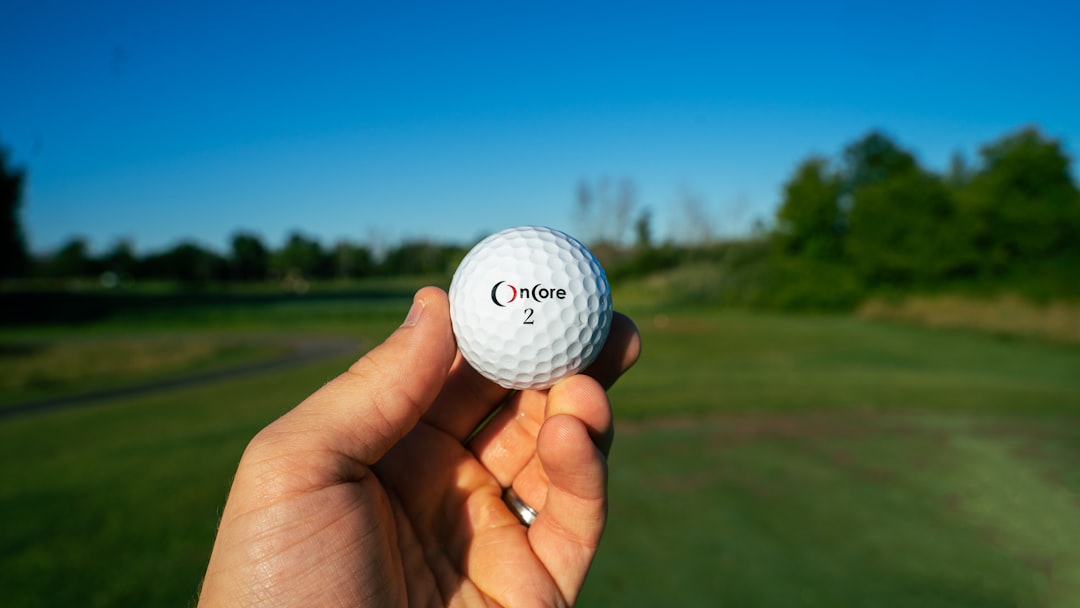
Photo by Peter Drew on Unsplash
Frequently Asked Questions
How soon can a beginner in their 50s get out on a course?
It depends on your practice pace, so there's no universal answer — but once you're making consistent contact and the ball flies forward reliably, it's time to consider a debut. Rather than waiting for perfection, going early with experienced companions tends to clarify what to practice and speed up your improvement.
What if I'm not athletic?
Golf isn't a contest of running speed or explosiveness, so it's one of the more accessible sports for those without an athletic background. You walk at your own pace and hit a stationary ball — build the basics patiently and you'll keep moving forward. If you're concerned, learning the fundamental body movements from a coach at the start is reassuring.
Can women start golf in their 50s too?
Absolutely. Ranges and lesson programs see plenty of women starting in their 50s, and the environment is welcoming — lighter women's clubs, forward tees, and more. Starting alongside a spouse or friends also makes it easier to stick with.
I don't have anyone to start with. Can I go alone?
Absolutely. Most people at a driving range are there on their own, and once you've been through the check-in and bay routine once, there's nothing to it. Going to the driving range alone for the first time walks through the steps. Your course debut is the one occasion where an experienced companion genuinely helps, so it's worth making a few acquaintances through lessons or a golf school.
Do I have to take lessons?
Not necessarily — but if you do, choose when to take them based on yourself. If you like understanding the framework first, go early. If things only click once you've felt them, go after a few sessions on the range. Either way, getting the basics before self-taught habits set in saves you a lot of unlearning later.
I'm worried about declining fitness. What should I watch out for?
Injury prevention, above all. Make warming up a habit, don't overhit in a single session, and choose clubs you can swing comfortably — those three rules eliminate most of the risk. If pain or discomfort persists, don't push through; see a doctor. A thin, long thread of continuity is the best route to both improvement and health.
Key Takeaways
-
Starting golf in your 50s is not too late — it's a lifetime sport with 20-plus years of enjoyment ahead
-
Begin with rental clubs at the range; build your gear gradually once you've decided to continue
-
A few months of early lessons prevent self-taught habits and make improvement easier
-
Put injury prevention first: warm up, don't overhit, choose forgiving clubs
-
Don't wait for perfection before your course debut — go early with experienced players, and value fun over score
-
One session a week rewards the right split more than sheer volume — and whether you learn best from theory or from feel also decides when to take a lesson
Read next
Before you begin, knowing what style of play suits your personality makes it easier to set a direction for practice and gear. Take the Golf Profiler quiz (free, about 5 minutes) and see your tendencies.