You've decided to take up golf — but as you start counting clubs, shoes, clothing, and accessories, the question creeps in: "how much of this do I actually have to buy?" Search for beginner golf shopping lists and you'll find endless inventories, but here's the truth: you don't need to buy it all up front.
The short answer: split your purchases into three stages — before your first range session, before your course debut, and after you've improved. Most driving ranges offer rental clubs, so the amount you need at the very start is surprisingly small. On the other hand, by the time you step onto a course, there's a clear short list of essentials. This article lays out the shopping list for each stage, plus tips for avoiding the wasted purchases beginners commonly make.
The Short Answer: A Three-Stage Shopping List
Here's the whole picture up front.
Before your first range session: a glove is genuinely all you need (rent the clubs; any comfortable clothing works)
Before your course debut: a club set, golf shoes, proper clothing, small items like balls and tees, and a golf bag (if one doesn't come with the set)
What can wait: an expensive driver, a rangefinder, premium balls, and seasonal gear like rain suits and winter wear
Below, the reasoning and buying tips for each stage.
Before Your First Range Session: A Glove Really Is Enough
Most driving ranges have rental clubs, and everyday clothes are fine as long as you can move freely. That means the only thing you genuinely need to bring yourself is a glove (for your non-dominant hand). Hitting bare-handed quickly raises blisters, so use a glove from your very first session. Fit matters, so try gloves on in a store the first time and you won't go wrong.
Hold off on buying a club set at this stage. After a few sessions, you'll start to sense whether you want to stick with golf and what kind of club feels good to swing. There's no penalty for waiting until the game has hooked you. Once you've strung together a few practice sessions and a course debut is on the horizon, you're ready for the next stage.
Playing an actual course calls for things rentals can't easily cover. Have these four ready in advance.
A club set (a full set is not required)
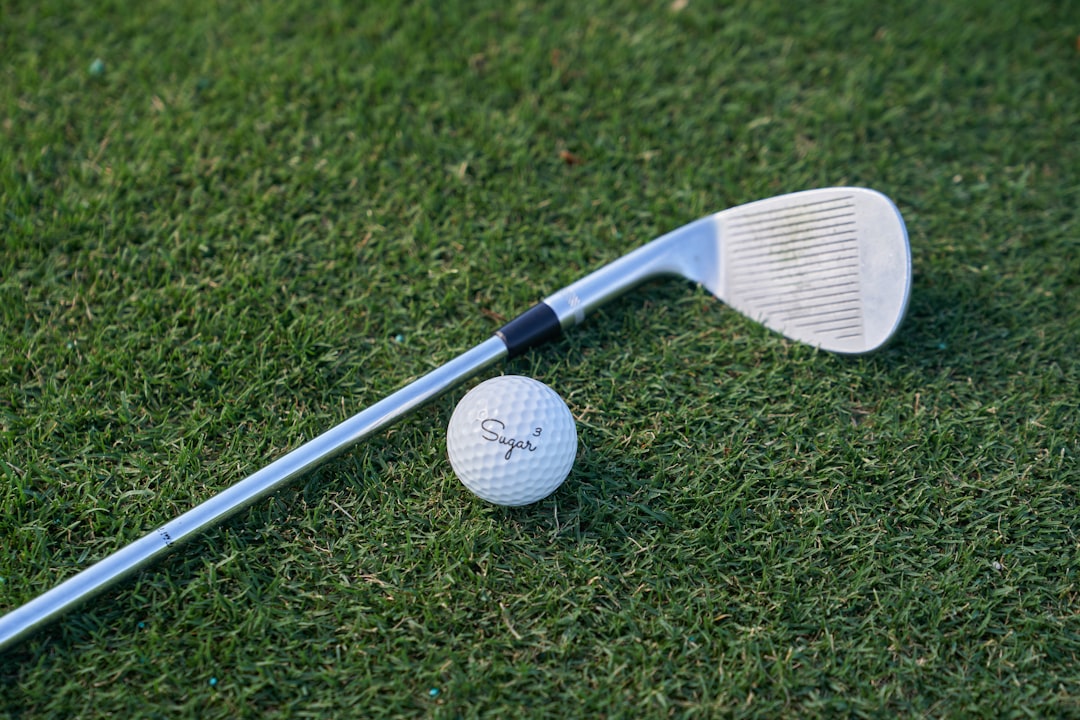
As a beginner, you don't need all 14 clubs. A beginner set or a used half set — driver, a fairway wood or hybrid, a few irons, a wedge, and a putter — is plenty for a full round. Don't insist on new: test-swing clubs at a used-club shop and you'll keep costs down while finding a weight and length that suit you.
Golf shoes
Grass is far more slippery than you'd expect. Sneakers can't give you a stable footing, and your swing suffers for it, so shoes are a must-have before your course debut. You'll be walking a long way, so prioritize comfort and fit over looks.
Clothing
Many courses have dress codes, such as requiring collared shirts. You don't need premium golf brands at first — a collared shirt and slacks-style pants will get you onto most courses. Check the dress code when you book, and you'll have no surprises.
Balls, tees, and other small items
Beginners lose a lot of balls, so the practical move is to stock up on lake balls (recovered used balls) or inexpensive ones. Pick up tees, a ball marker, and a divot tool at this stage too. For the full day-of packing list, see our round-day packing checklist.
What Can Wait — and What Beginners Regret Buying in a Hurry
The following group draws the most "I bought it as a beginner and ended up replacing it" stories.
An expensive latest-model driver: a club chosen before your swing has settled often stops fitting once you improve. The one from your starter set, or a used club, is plenty at first
Rangefinders and GPS watches: convenient, but for your first rounds the caddie, on-course yardage markers, and your playing partners' advice will cover you
Premium balls: using tour-level balls during the stage when you lose several per round is money down the drain — wait until your scores stabilize
Rain gear, winter wear, and other seasonal items: buy them in the season you actually need them, guided by your preferences at that point. You'll choose better
Gear is a means, not the goal. Every yen you save on the initial outlay does more for your game when spent on range balls and actual rounds. Before your first round, it also pays to understand how long a round takes and how the day flows — it removes a lot of day-of anxiety.
Frequently Asked Questions
Should I buy new or used clubs?
For beginners, used clubs or a boxed set are the way to go. During the period when your swing is still changing, what you need from a club changes too. Used-club specialty shops will walk you through each club's condition, and some let you test-hit. The right time to invest in a club you love is once you've improved and your ball flight has stabilized.
Are there separate clubs for women and men?
Yes. Women's clubs are generally lighter with softer shafts. That said, build and strength vary from person to person, so don't get hung up on the category — the reliable test is swinging the club and confirming you can swing it all the way through. Trying clubs at a shop with staff guidance is the best approach.
Is there a dress code at driving ranges?
Almost all ranges are fine with everyday clothes. Comfortable clothing and non-slip sneakers are all you need. Unlike courses, ranges rarely enforce a dress code — but avoid skirts, sandals, or anything that limits your rotation or footing, or the practice itself suffers.
Should I sign up for lessons right away?
Not mandatory, but learning the fundamentals before bad habits set in pays big dividends. If you go the self-taught route, study the basics through videos and make every range ball purposeful — you'll improve faster. Having a coach to consult when you're unsure about equipment is another perk of lessons.
Key Takeaways
Split purchases into three stages: first range session, course debut, and after you've improved
For the range, a glove is genuinely enough — try rental clubs before buying
For the course, you need four things: a club set, shoes, clothing, and small items. Used gear and boxed sets are plenty
Postpone expensive clubs and rangefinders; put the savings into practice and rounds
And just as important as the gear: knowing the practice approach that fits your personality is a shortcut to improvement. Take the Golf Profiler quiz (free, about 5 minutes) to learn what kind of golfer you are from day one — it becomes the through-line for your future gear choices and practice plans.