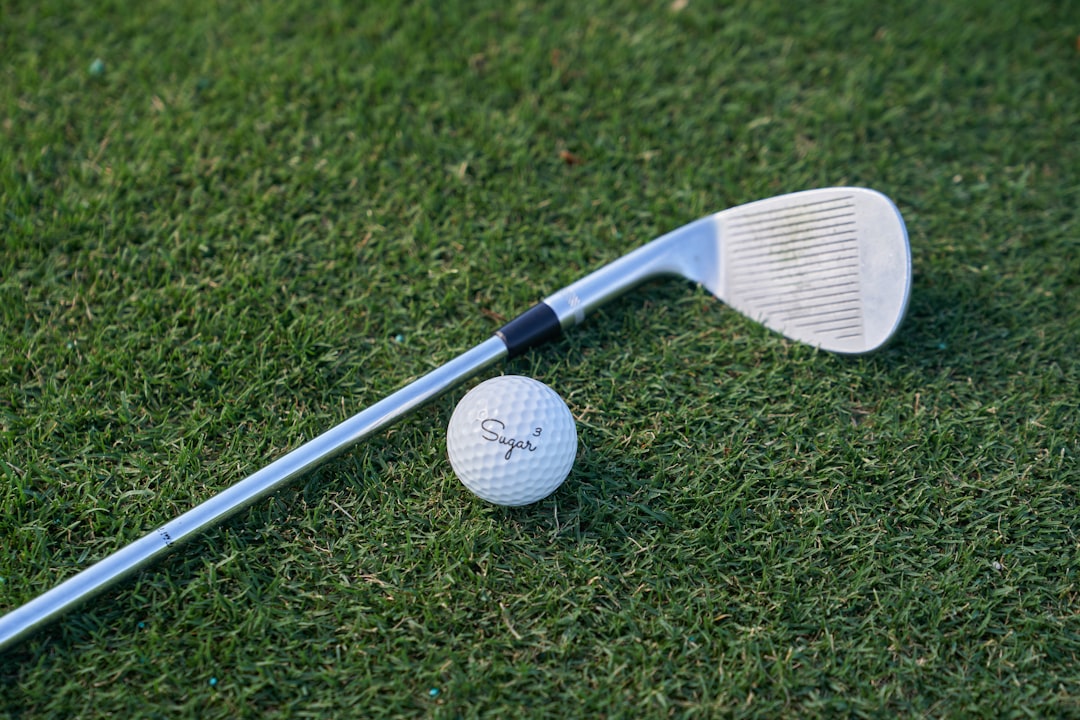
As your first round approaches, the excitement comes bundled with a growing worry: "What am I supposed to bring?" Packing for a round of golf is nothing like packing for an ordinary day out. How many balls do I need? Is this outfit okay? What can I rent at the course? The more you research, the more questions seem to multiply.
Carrying that "did I forget something?" anxiety into game day leaves you unsettled from the morning on — and it follows you onto the course. Flip it around: get everything packed the night before, and on the day you can pour your full attention into the golf.
This article organizes your round packing into three tiers: essentials, nice-to-haves, and seasonal extras. Run down this list from the top the night before, and your preparation is done.
The short answer: the true essentials are few — pack in order of "can't play without it"
Here's the big picture first: of everything you could bring to a round, the genuine essentials number only about ten items. Courses have pro shops and rentals, so most things can be picked up on site. That's why the realistic approach isn't "pack everything perfectly" — it's lock down the items you truly can't do without, then add the rest as you have room.
The essentials checklist: the items you cannot forget
These are the things that ruin your day if they're missing. Check them without fail the night before.
Golf clubs (in your golf bag). If you're shipping your bag to the course by courier, confirm the delivery date and keep the shipping receipt
Golf shoes. The single most commonly forgotten item. Physically confirm they're in the bag
Golf clothes. A collared shirt and whatever else the course's dress code calls for. If you're traveling in different clothes, pack the change too
Balls. Bring plenty while you're a beginner — about a dozen lets you play without fearing you'll run out
Tees. A few long ones and a few short ones
Glove. Sweat and rain can make a glove slip, so a spare brings peace of mind
Ball marker and divot tool. Courses often lend markers, but they're small — bring your own
Cash and a credit card. For green fees, the pro shop, and lunch. Carry a little cash for any spot that doesn't take cards
ID and booking confirmation. Something showing the reservation name. Knowing your playing partners' names makes check-in smoother
Nice-to-haves: the items that buy comfort and calm
Not essential, but these make a real difference to how pleasant the day feels.
Towels. Two is handy — one for sweat, one for wiping clubs and balls
Sunscreen. You're outdoors for hours even on cloudy days, so apply it year-round
Hat or sun visor. Sun protection, plus many courses consider one good form
A drink. You can buy them at on-course kiosks, but having a bottle ready before you start means no scrambling mid-round
Snacks. Chocolate, energy bars, and the like. Running out of fuel on the back nine goes straight to your concentration
Adhesive bandages. For blisters from an unfamiliar glove or shoes
A small valuables pouch. A pouch for balls, tees, and markers makes trips between the cart and your ball much easier
A portable phone charger. If you track scores or measure distances on your phone
A round is a long haul — more than half a day. Get a feel for the timing with how long a round of golf takes, and you'll find it easier to estimate how much food and drink to bring.
Seasonal extras
The same course demands different gear depending on the season.
Summer (beating the heat)
Extra fluids — ice, sports drinks — plus a spare shirt, a cooling towel, and salt tablets. Sweat makes gloves slippery, so this is the season when a backup glove earns its keep most.
Winter (beating the cold)
A warm outer layer, a knit cap, hand warmers, and mittens for between shots. A cold body makes a stiff swing, so dress in layers you can add and shed to regulate your temperature.
Days with rain in the forecast
A rain suit (top and bottom), a spare glove, spare towels, and a waterproof cap. Carts usually come with umbrellas, but it varies by course — check ahead if you're concerned.
The night-before routine: a written list kills the anxiety
Packing anxiety exists because you're relying on memory. Our recommendation: copy this article's list into your phone's notes app and edit it into your own.
The night before, pack your bag item by item, checking each one off the list
Set aside only the "carry on the day" items (shoes, valuables) by the front door
In the morning, all you do is pick up what's at the door
Build your personal list once, and every round after this one takes ten minutes to pack for. With packing worries gone, your game-day morning is free for stretching and warming up. How you spend the time before a round connects to how beginners should structure their practice, so give that a read as well.
Frequently asked questions
How many balls should I bring?
It depends on the course's difficulty and your experience, but for a first round, about a dozen is a comfortable number. Courses with lots of water and trees will claim more. They don't need to be premium balls — a price point you won't mourn losing is plenty, and leftovers carry over to your next round.
What can I rent or buy at the course?
Most courses rent clubs and shoes and sell balls, tees, gloves, and hats. But rentals may require advance booking and sizes can be limited. For anything you're counting on getting there, confirm with the course by phone or online before the day.
Can I ship my golf bag ahead by courier?
Most courses accept bags shipped in advance. Using a golf shipping service, the standard practice is to send it so it arrives by the day before you play. Allow extra days during busy seasons, and bring the shipping receipt for smooth pickup at the course. You can ship it home from the front desk afterward, too.
Anything I should know about clothing?
Every course has a dress code — a collared shirt and no jeans are the common baseline. Some courses require a jacket when entering the clubhouse. Checking the official website of the course you booked is the reliable move; when in doubt, dress on the neat side.
Key takeaways
The true essentials number about ten. Prioritize clubs, shoes, clothes, balls, tees, glove, and money
Nice-to-haves like towels, drinks, and bandages determine how comfortable the day feels
Adjust by season: fluids and a spare glove in summer, warm layers in winter, rain gear when the forecast turns
Check off your list the night before, so the morning is nothing but grab-and-go
Just like packing, knowing your own playing tendencies changes how you approach a first round. Find out what type of golfer you are before you head out with the Golf Profiler type quiz (free, about 5 minutes).