A work invitation, friends taking it up one after another, wanting to move your body for your health. The motivation is there, but you're hesitating: "Isn't starting golf in your 40s too late?" Surrounded by people who've played since their school days, it's natural to wonder whether you can ever catch up.
Let's settle that first: starting in your 40s is not too late. Golf is one of the few sports you can keep playing as you age, and plenty of people who started in their 40s are still enjoying it decades later. In fact, your 40s bring strengths you didn't have when you were younger.
In this article, we'll walk step by step through how to start golf in your 40s, and how to improve steadily within the real constraints of energy and time.
The Bottom Line: Golf in Your 40s Isn't Just "Not Too Late" — It's Built to Last
Here's why starting in your 40s is entirely realistic:
- Golf rewards repeatability, not explosiveness: No sprinting, no jumping — you can fully engage even past your physical peak
- You have decades of enjoyment ahead: Start in your 40s, and your experience keeps compounding through your 50s and 60s
- You can learn like an adult: The ability to set a goal and practice deliberately often beats youth as a driver of improvement
For most people, the anxiety isn't really about "too late or not" — it's about not knowing where to start. So let's get concrete.
Where Golfers Who Start in Their 40s Tend to Stumble
Before the how-to, know the common stumbling blocks. Simply knowing them in advance lets you sidestep most of them.
The first is measuring yourself against experienced players. The people you play with have 10 or 20 years of golf behind them. Comparing your first months to their decades isn't a fair contest to begin with. The only comparison you need is with yourself last month.
The second is chasing distance from day one. The harder you swing, the more your form falls apart — and the more you strain your body. For golfers starting in their 40s, prioritizing "hitting it the same way every time" over hitting it far shrinks scores faster in the end.
The third is skipping the warm-up. Heading straight from work to the range and launching into full swings, your body won't keep up. A habit of loosening your shoulders and hips before practice matters more now than it did when you were young. If discomfort or pain persists, don't push through it — see a doctor.

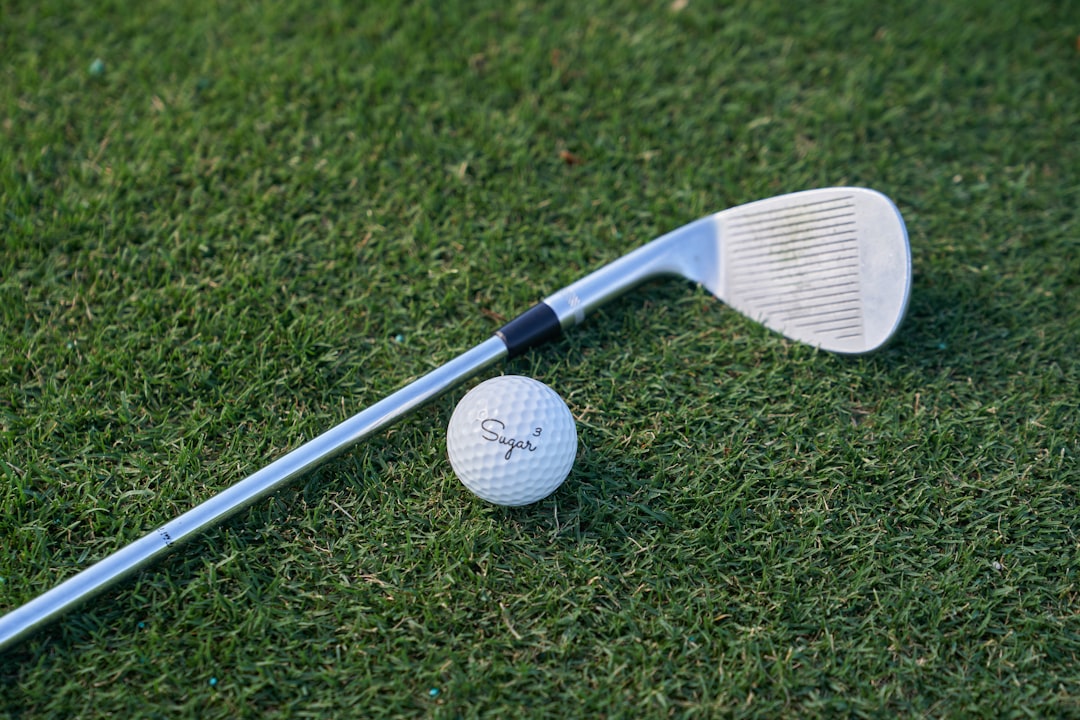
Photo by Daniel Stenholm on Unsplash
Getting Started in Your 40s: The First Three Steps
Here's the actual sequence, in three steps.
Step 1: Start With Minimal Gear
There's no need to buy a full set up front. Most driving ranges rent clubs, so the easiest first move is to show up empty-handed and try it. Once you've decided to stick with it, used clubs or a beginner half set are plenty. For what to buy and when, see our guide to what beginners should buy first.
Step 2: Use Lessons to Build the Fundamentals in Your First Few Sessions
Start out self-taught and you'll pick up homemade habits that take ages to undo later. Even just a few early lessons on grip and setup dramatically improve the efficiency of everything you practice on your own afterward. Video content is abundant these days, but having someone actually watch your swing is most valuable at the very beginning.
Step 3: Make Your Course Debut Planning Not to Count Your Score
Once you're making reasonably consistent contact at the range, take the plunge and get out on a course. The goal of your first round isn't a score — it's experiencing the flow of the game. Go with experienced players who can walk you through pace of play and etiquette, and your second round will feel far less daunting.
How to Improve in Your 40s
Once you've started, how do you improve on limited time? Here's an approach suited to this decade.
First, for many people, "shorter but more frequent" beats "one long session a week" — the feel fades less between sessions and the habit is easier to sustain. Given work and family, shrinking each session to protect frequency is the realistic play.
Second, weight your practice toward the short game. Driver distance takes a long time to build, but chipping and putting reward you relatively quickly once the feel clicks. Remember that nearly half your strokes happen around and on the green, and your practice priorities will rearrange themselves.
Third, take the long view. Golf is a sport where you can feel yourself improving well into your 50s and 60s. As we cover in our article for those starting golf in their 50s and our guide to improving in your 60s, if you adapt your approach to your age, the room to grow stretches on for years. Your 40s are the starting line of that long road — there is no reason whatsoever to rush.

Photo by Peter Drew on Unsplash
Frequently Asked Questions
Can I break 100 if I start in my 40s?
The timeline varies from person to person, but plenty of golfers who started in their 40s go on to break 100. What matters isn't setting a deadline and pressing — it's sticking with short-game-centered practice and sensible, no-hero course management. Think of it as a goal you approach in proportion to what you put in.
What if I have almost no athletic background?
You'll be fine. Golf isn't a contest of speed or explosiveness, and you can work at your own pace. If anything, those without an athletic background benefit most from building fundamentals with a coach early on and warming up before practice — do those two things and you can continue with confidence.
How often should I practice?
There's no fixed right answer, but because feel fades when the gaps get too long, we recommend regular sessions even if they're short. In weeks you can't get to the range, rolling putts on a mat at home or checking your setup in a mirror still helps maintain the feel.
I don't have anyone to start with
Plenty of people start alone, so don't worry. Join a school at your local range and you'll naturally meet others who started around the same time — and find playing partners for your course debut. Some golfers also use single-player booking services that pair you with other groups.
Key Takeaways
- Golf rewards repeatability over explosiveness; starting in your 40s is not too late
- Don't compare yourself to veterans — measure progress against yourself last month
- Start with minimal gear; a few early lessons on fundamentals save you the long way around
- Practice short and often, weighted toward the short game
- This is a sport you'll enjoy through your 50s and 60s, so build steadily without rushing
Are you the steady-grind type, or the type who lights up when it counts? If you want to know how to sustain practice in a way that fits your personality, take the Golf Profiler quiz (free, about 5 minutes) and find out your type.