A coworker invited you. A friend posted photos in a cute golf outfit. Your family keeps suggesting it. The trigger differs, but most women who think "I want to try golf" stall out at the same spot. Do I have to buy all the equipment? Is it okay if I'm not athletic? Won't I stick out when everyone around me has experience?
Here's the conclusion up front: you can start golf with zero equipment, zero experience, and zero confidence in your athleticism. You don't need to assemble everything before you begin, and once you know the right order of steps, most of the worries turn out to be things you simply hadn't learned yet.
This article clears away the common pre-start worries one by one, then lays out the realistic path to your course debut and the tricks for not giving up once you've started. By the end, your first step should be concrete and visible.
Most Pre-Start Worries Are Just Things You Don't Know Yet
Let's take the worries pumping the brakes on your golf ambitions, one at a time.
"Don't I have to buy clubs before I can start?" No. At driving ranges and golf schools alike, rental clubs are typically free or cheap. Most ranges are fine with sneakers at first too. Buying equipment can wait until you know you want to continue.
"I'm not confident in my coordination." Golf is a sport where you hit a stationary ball — it's not a contest of sprint speed or reflexes. Everyone whiffs at first; every experienced golfer passed through that exact stage. In fact, golf is often described as a game where steady, patient people improve fastest, and it's remarkable how little raw fitness or athletic history matters.
"I'll worry about people watching me." People at the range are absorbed in their own practice and have little attention to spare for beginners. Still, first-time nerves are real — so for your first visit, go with an experienced friend or choose a beginner lesson, and you'll feel far more at ease.
"Am I too old to start?" Golf is a lifetime sport with no age requirement. Plenty of people take up golf in their 40s or grip a club for the first time in their 50s — no age is too late.
The Realistic 4 Steps to Your Debut
With the worries sorted, here's the road to your debut. No rush — take it in this order.

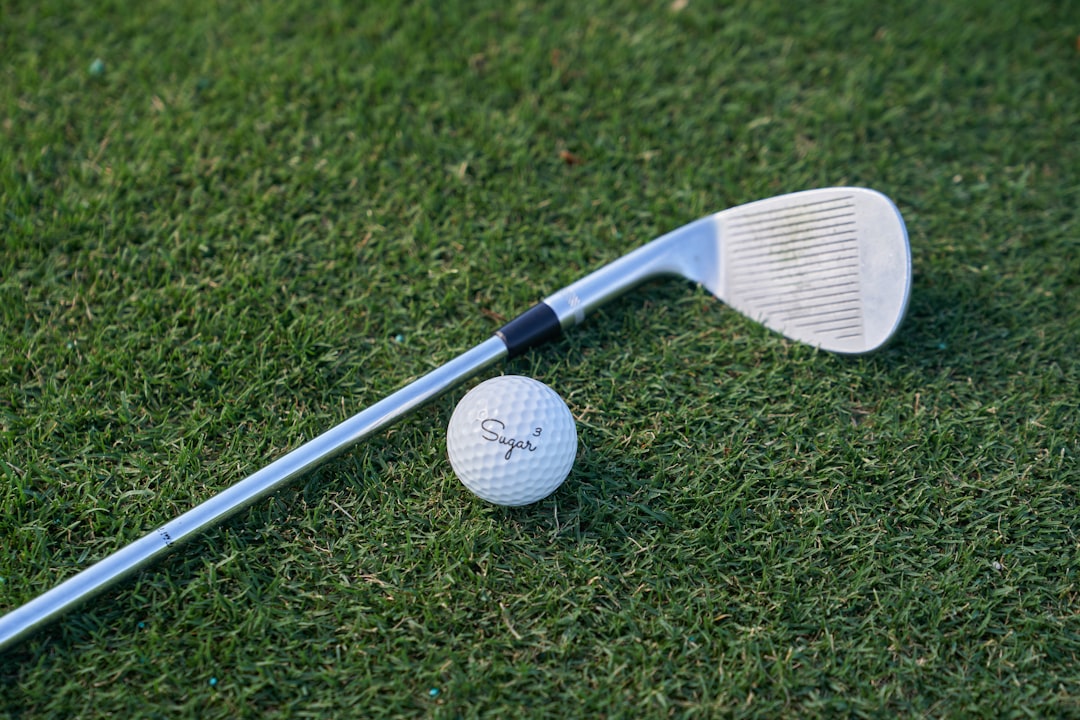
Photo by Robert V. Ruggiero on Unsplash
Step 1: Hold a club, just once. A trial lesson or a range session with an experienced friend is the starting line. The goal here isn't hitting it well — it's discovering how satisfying solid contact feels. One good strike is a full day's harvest.
Step 2: Decide where you'll learn the basics. Self-teaching is possible, but getting even just your grip and setup taught early makes everything after smoother. A beginner school, a one-off lesson, a knowledgeable friend — choose whatever's easiest for you to reach and stick with. Women-only or beginners-only lessons create an environment where asking questions never feels intimidating.
Step 3: Experience a real course — a short one. Before jumping into 18 holes, slot in a short course or a 9-hole round. You'll experience hitting off real grass and the rhythm of a golf course, all in a low-pressure setting.
Step 4: Course debut. Go with an experienced player who knows the etiquette and rules, and pick a quiet time slot. Don't worry if you can't keep score. Finishing all the holes is the first goal.
Know the Ways Women Enjoy Golf Beyond the Score
Ask women who've stuck with golf why they play, and the answers are rarely just about scores. Knowing the full range of what this game offers, before you start, gives your motivation something to stand on.
First, the fun of choosing outfits and gear. Golf wear has evolved in both function and design, and plenty of golfers genuinely enjoy planning their course outfits. Starting with the look is not a character flaw. "I go to practice because I want to wear my favorite outfit" is a perfectly legitimate reason to keep going.
Second, the connections. A round of golf means spending half a day together, so conversations with friends, family, and coworkers naturally deepen. "Golf expanded my circle" is something you hear constantly, from golfers of every kind.
And third, the pleasure of moving your body outdoors, and the sheer longevity of the game. Few hobbies let you continue at your own pace as the years pass — there are golfers still chasing improvement in their 60s. Not many pastimes can say that.
What to Decide Up Front So You Don't Give Up
It helps to know in advance where new golfers stumble.
The most common pattern: "I couldn't hit it the way I imagined, and it broke my spirit." Golf feels hardest in the first handful of sessions — whiffs and dribblers are a road everyone travels. Decide up front that "being bad for three months is the default," and the rough days become something you can shrug off and push through.
The other pattern is the misery of comparison. Start measuring yourself against the friend who began with you, or the experienced players nearby, and the fun deflates fast. The only valid comparison is last week's you. Counting small wins — "my contact rate went up," "my 7-iron got airborne for the first time" — is what actually keeps you going.
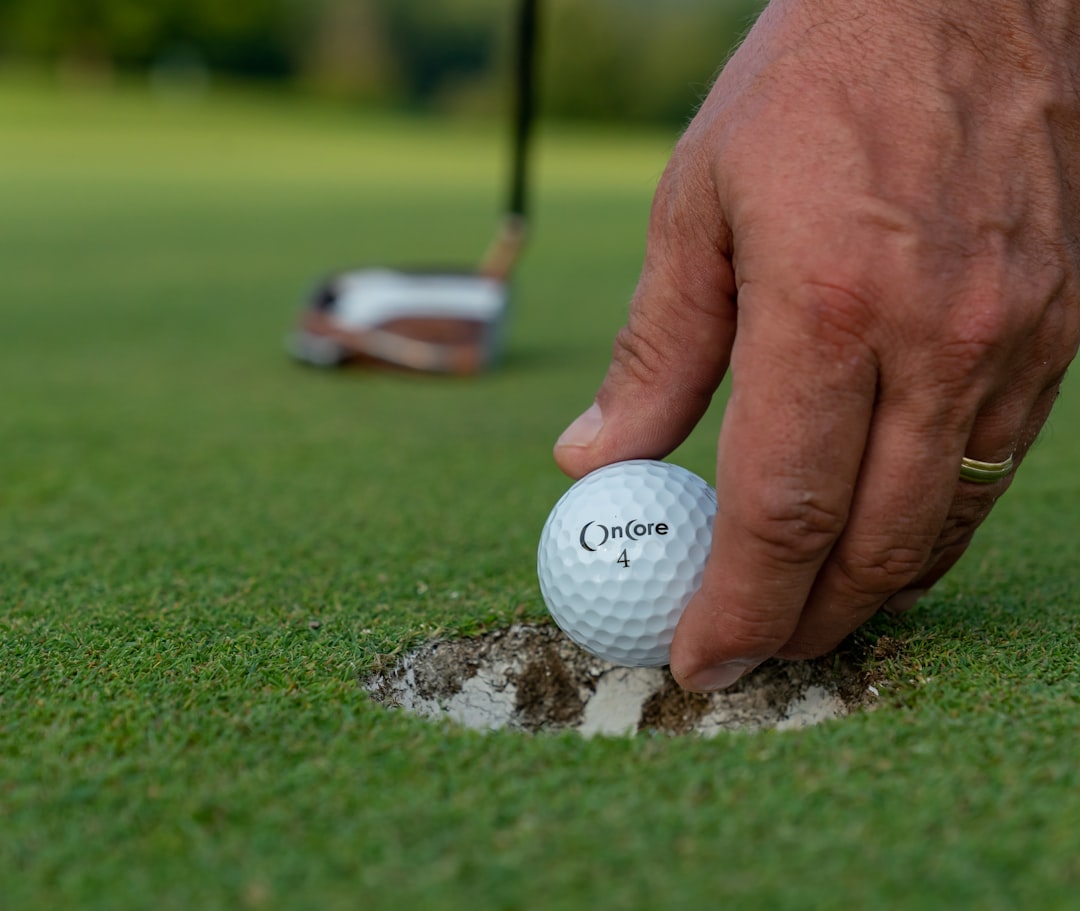
Photo by Peter Drew on Unsplash
Frequently Asked Questions
What should I wear to the driving range?
At first, comfortable athletic clothes and sneakers are plenty. It doesn't need to be golf wear — stretchy pants with a T-shirt or polo, anything that lets you rotate freely, is fine. If you prefer a skirt, prioritize freedom of movement. When you head to an actual course, check that course's dress code in advance to be safe.
Is it okay to start on my own?
Absolutely. Beginner lessons and schools are full of people who started solo, and ranges are mostly solo visitors anyway. If anything, going alone lets you practice at your own pace, and lessons often produce golf friends along the way. The first visit takes a bit of courage; the second is surprisingly easy.
When should I buy equipment, and what first?
Once you've decided "I want to keep doing this," start with a glove and shoes. Having ones that truly fit changes the quality of your practice. For clubs, get comfortable with rentals first, then consider a beginner set or used clubs. There's no need for a full set at the start.
How many months until I can play a course?
There's no universal answer, but the real markers aren't practice frequency — they're "have you been taught the basics?" and "have you played a short course?" Practicing about once a week, plenty of people debut within a few months. Rather than racing a deadline, think in stages: "once I'm making decent contact, it's short-course time."
Summary
For women who want to start golf, here's the road from worry to debut in brief.
- You can start with zero equipment, zero experience, and zero athletic confidence — buy gear only once you want to continue
- The debut path is four steps: try it → learn the basics → short course → full course
- Hold onto the joys beyond the score from day one: the outfits, the friendships, the time outdoors
- Decide that "being bad for three months is the default," and only ever compare yourself to your past self
Knowing whether you're the type who improves through steady practice or the type who learns by doing helps you choose how to start, too. Take the Golf Profiler quiz (free, about 5 minutes) and find the relationship with golf that fits you — right from the beginning.