"I'd like to try golf — but where do I even start?" When women look into taking up golf, the information arrives all at once: equipment, outfits, lessons, etiquette. It's enough to make you feel a little tired before you've hit a single ball.
"Should I buy clubs first?" "Can I just show up at a driving range?" "Everyone around me seems experienced — won't I feel out of place?" These doubts are a road nearly every beginner walks.
This article lays out a realistic order for getting started, organized around three things: equipment, practice, and your course debut. By the end, your first step — the thing to do this very week — should be clear.
The Bottom Line: Buying Gear Comes Last
Here's the conclusion up front: the recommended order is "try it first → practice with minimal gear → experience a course → then buy what you need."
Most people start by thinking "first, buy a full set of clubs" — but reversing the order works just fine. Three reasons:
- Many driving ranges rent clubs, so you can try golf empty-handed
- Buying a full set before you know whether you'll stick with it tends to mean buying gear that doesn't fit you
- Once you can hit the ball a little, you'll actually know what weight and length suit you
In other words, the first step isn't "buy" — it's "touch." Start with a trial lesson or a driving range session and find out whether golf feels like your kind of sport.
Step 1: Hit Some Balls — at a Trial Lesson or the Driving Range
The easiest first step is a beginner trial lesson, or a driving range that rents clubs.
The advantage of lessons is learning the fundamentals — grip and setup — right from the start. Golf is a sport where early habits stick, so having a professional's eyes on you before self-taught quirks harden will make everything easier later. An indoor school also means no weather or sunburn to worry about, which helps you keep showing up.
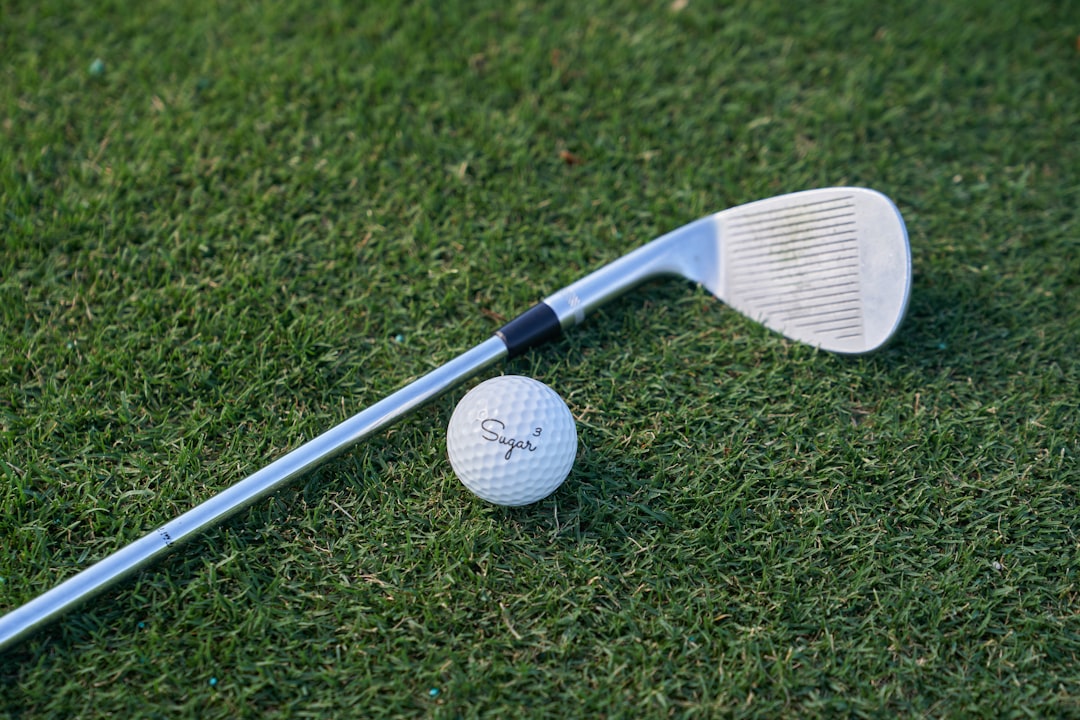
On the other hand, if you're still at the "not sure this is lesson-worthy yet" stage, a few range sessions are plenty. Start with a mid-length club like a 7-iron, and don't worry about clean contact — just get a feel for what swinging is like.
No friend to start with? No problem. Plenty of people join beginner lessons alone, and it's often how you end up with golf friends at exactly your level. For more on pre-start worries, see what women thinking about starting golf should know.

Photo by kaleb tapp on Unsplash
Step 2: Start with Minimal Gear Plus Rentals
Once you're fairly sure you want to continue, build up your gear gradually. Even here, there's no need to buy everything at once.
The first items worth owning are a glove and shoes. A glove needs to fit your hand properly, and rentals rarely do. Sneakers can stand in at the range, but for the course you'll want golf shoes with real grip.
For clubs, many beginners start with a women's starter half set (a set with fewer clubs), which is also the sensible choice for ease of use. A full set can wait until your swing tendencies become clear. Used clubs and rental services can keep the initial outlay surprisingly low.
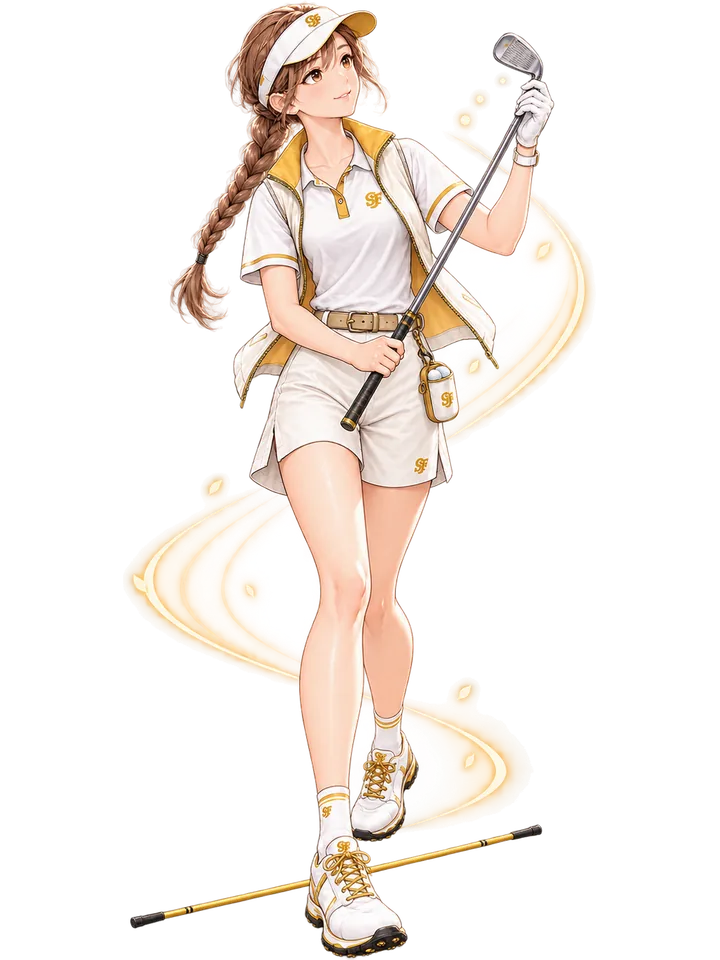
As for clothing, comfortable everyday wear is fine at the range. On the course, a collared top is the baseline — and it's worth checking each club's dress code in advance. Women's golf wear has never had more options, and honestly, "I get to wear outfits I love" is a perfectly legitimate reason to keep playing.
Step 3: Play a Short Course Before Your Full Debut
Once your shots are getting airborne and moving forward at the range, slot in a short course (a course with shorter holes) before attempting a full 18.
The beauty of a short course is that it lets you experience everything the range can't teach — hitting off real turf, chipping around the green, putting — over friendly distances. Getting used to the atmosphere of a real course takes a great deal of the edge off debut day.
For timing your debut, think in terms of ball-striking rather than score: are your whiffs mostly gone, and can you move the ball forward? On debut day, go with an experienced golfer who can guide you through pace of play and etiquette. Make "getting around smoothly" the goal rather than "hitting it well," and your first round will be far more fun.
And remember — it's never too late to start golf. For age-specific tips, see starting golf in your 40s and how to start golf in your 50s.

Photo by Jason Abrams on Unsplash
The Secret to Sticking with It: Your Own Definition of Fun, Not Skill
Where women who take up golf most often stumble isn't technique — it's morale. "I don't hit it as far as everyone else." "Am I holding up the experienced players?" When practice starts to feel like an obligation, the visits taper off.
What matters is having your own axis of enjoyment. Score is not the only way to love this game. Walking a beautiful course, picking out outfits, time with friends, the feeling of being even slightly better than last time — any of these is a perfectly good anchor.
Psychological tendencies also differ from person to person — how easily you get nervous, how long you dwell on mistakes — and they shape both your pace of improvement and the practice style that suits you. Learning your own type early means less comparing yourself to others and more progress at your own pace.
Frequently Asked Questions
Can I start with no athletic background?
Absolutely. Golf involves no running or jumping and moves entirely at your own pace, which makes it approachable even if you've had a long break from exercise or never got on with ball sports. Not making contact at first is completely normal — compare yourself to "last week's you," not to the people around you.
Is it strange to start alone?
Not at all. Beginner schools and driving ranges are full of people who started solo. If anything, going alone makes it easier to keep your own schedule, and lessons often produce friends at your level. The one exception is your course debut — do that with an experienced golfer who knows the flow of a round.
Do I have to take lessons?
Not required, but even a handful of early sessions are worth it. Grip and setup are where self-taught habits form fastest and take longest to undo later. Whether to continue long-term is a decision you can make after trying a few.
How long until my course debut?
It varies too much with practice frequency and the individual to give a single answer. Use readiness rather than time as the yardstick: when whiffs are mostly gone and the ball moves forward, and you've played a short course, you're ready to think about debuting. No rush — go at your own pace.
Summary
The order for women getting started in golf, in brief:
- Gear comes last. Start by hitting balls at a trial lesson or driving range
- Buy a glove and shoes first. A half set or rentals cover the clubs
- Don't jump straight to 18 holes — play a short course first
- A definition of fun beyond score is what keeps you playing for years
Your first step: book a driving range session or trial lesson somewhere this week. And take the Golf Profiler quiz (free, about 5 minutes) to learn your personality type and the style of enjoying golf that fits it — a handy compass for the practice journey ahead.